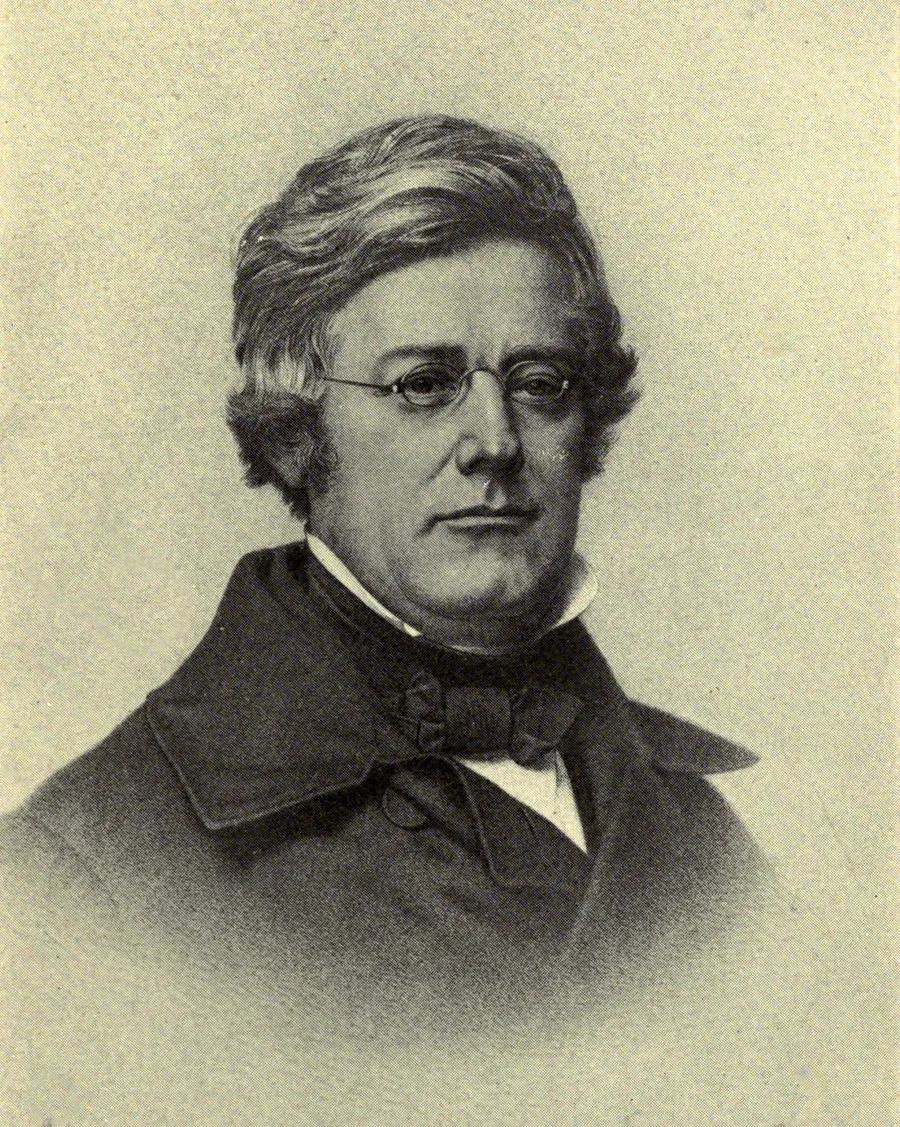
A Philadelphia physician became a dramatist for Edwin Forrest and then a novelist of threatened settlements, hidden identities and violent reckonings. Robert Montgomery Bird brought the historical romance into an American landscape where fear could be as powerful as courage.
The AETERNUS editions return to the novels themselves: their divided communities, threatened households and tangled claims of justice. Their historical setting gives the adventure its weight.
KENTUCKY, 1782. THE DARK AND BLOODY GROUND. In the East, the war for American independence is nearly won. Beyond the mountains, it has merely changed its shape. Kentucky is not yet a state. It is border country: forest, river, scattered stations behind timber walls—and between them a wilderness in which law, news, and rescue may lie days away.
440 print pages · Updated edition submitted to KDP; review in progress.
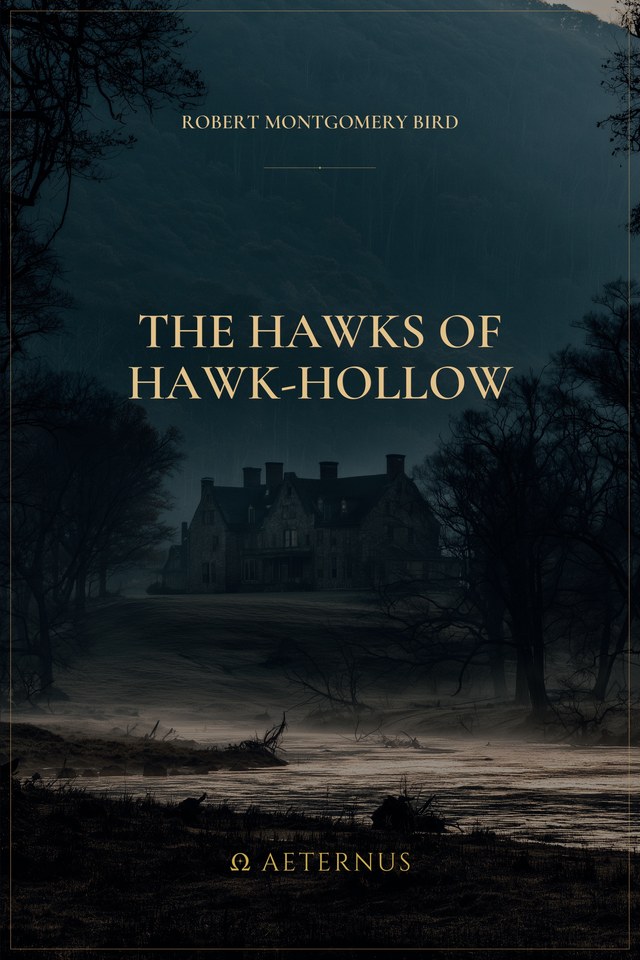
In Pennsylvania, the Revolution has left loyalties divided and old injuries unsettled. The return of a dispossessed family draws love, inheritance and revenge into the same conflict. A mysterious stranger and the outlaw reputation of the Hawks turn a quiet valley into a place where every allegiance has a price.
He wrote about the frontier from the literary world of the eastern cities. The distinction is essential: his novels imagine earlier conflicts; they are not the field journals of a man recording his own frontier campaigns.
Explore the life and work
Origins and early years
Born in New Castle, Delaware, Bird trained in medicine at the University of Pennsylvania and graduated in 1827. He soon left regular practice to pursue writing. Drawing, music and, later, photography accompanied his literary work. The surviving papers preserve the breadth of those interests.
The course of a life
The actor Edwin Forrest’s competitions offered an opening for ambitious American drama. Bird supplied The Gladiator and other plays, but the partnership eventually broke down. In the 1830s his attention moved towards fiction: Mexican historical romances, the Pennsylvania setting of The Hawks of Hawk-Hollow and the Kentucky violence of Nick of the Woods. Later years brought teaching, farming and newspaper work rather than a steady continuation of the early novel-writing career.
The literary work
The Hawks of Hawk-Hollow draws the divisions of the Revolutionary era into a story of inheritance, allegiance and outlawry. Nick of the Woods, published in 1837, makes the violence of the Kentucky border its central machinery. Its portrayal of Indians belongs to the settler romance and its hostilities; the novel’s force rests partly on the disquieting transformation of a seemingly peaceful figure into an agent of revenge.
The legacy
Bird’s importance lies in the possibilities he exposed within American historical fiction: divided loyalties, concealed histories and the proximity of domestic security to terror. His novels reward renewed reading because their narrative energy and their partial view of the frontier remain inseparable.