From the western trail to the contest for a continent.
Parkman carried a historian’s questions into the American West and returned with the experience behind The Oregon Trail. Movement across the plains gave physical substance to a literary imagination already occupied by the struggle for North America.
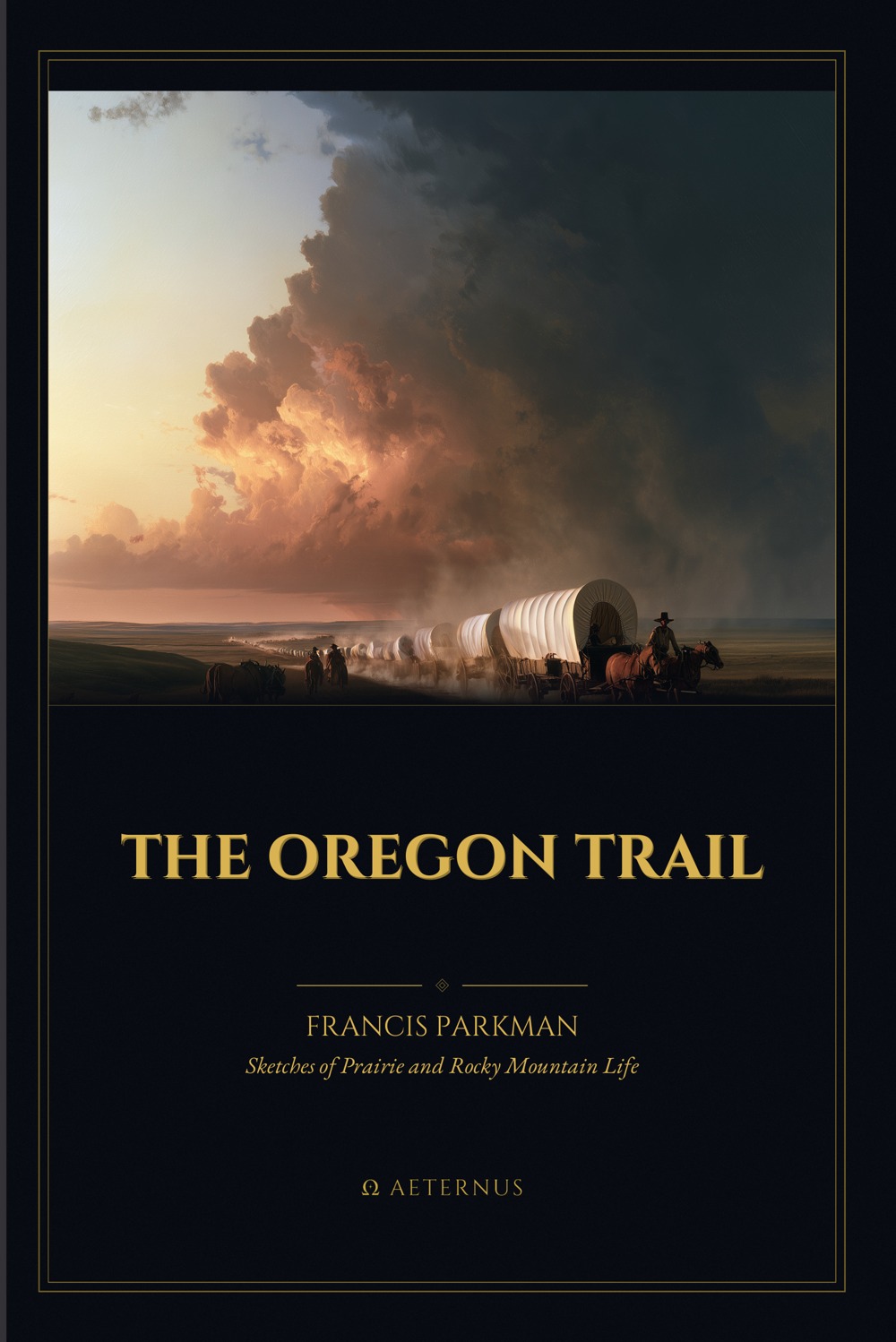
The Great Plains in 1846: emigrant trains, buffalo hunts, trading posts, and weeks in an Oglala camp. Parkman’s first book records a journey into a West still being travelled and contested.
Before the wagon roads, before the frontier towns and before the rails, the great western road of New France into the heart of North America ran by water.
Parkman’s history of Pontiac’s war of 1763 against the British posts of the Great Lakes and the Ohio, in the complete text of the first edition of 1851.
The traveller of 1846 and the later historian are closely related. Landscape becomes setting, remembered encounter becomes narrative, and the author’s own assumptions shape both.
Explore the life and work
Origins and early years
A Boston education placed him in the literary culture of New England. His western journey took him beyond its libraries into the terrain and communities he wished to describe.
The course of a life
The journey of 1846 furnished a book published in 1849. His much larger historical undertaking, France and England in North America, turned to the long conflict of European powers and their Indian allies.
The literary work
The Oregon Trail is a shaped account of travel, not an unfiltered record of the West. Its portraits of Indians and emigrants reveal Parkman’s standpoint as well as his considerable descriptive powers.
The legacy
His achievement joins historical narrative to a strong sense of place. Reading him closely means attending both to what he saw and to the ordering intelligence that gave it form.