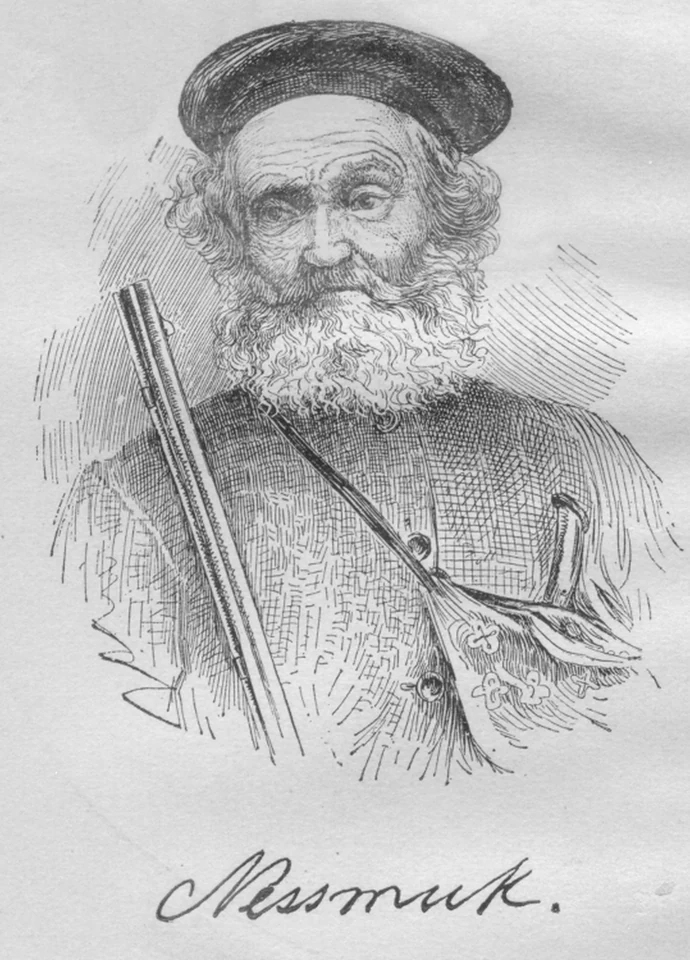
Writing as Nessmuk, Sears made a case for going into the woods with less. His subject was the practical freedom won by a light pack, a manageable boat and knowledge that could take the place of equipment.
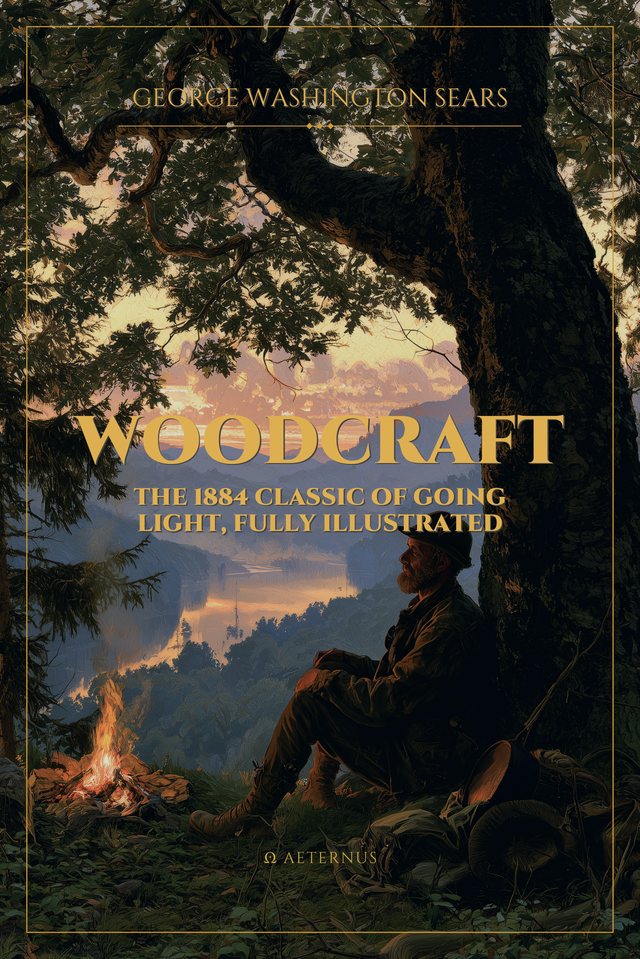
New York, 1884: a Pennsylvania shoemaker who weighs little more than a hundred pounds writes down how to travel for weeks through the wilderness with twenty-six pounds of duffle. Knapsack, hatchet and knives, the shanty-tent, the camp-fire built as it should be, frogging and camp cookery, a ten days’ tramp alone across Michigan, and the ten-and-a-half-pound cedar canoe — Sears’ book is instruction and story in one.
Woodcraft belongs to the nineteenth-century world of American sporting journals and woodland travel. Its small scale is deliberate: a camp, a fire, a meal and the judgement of one traveller.
Explore the life and work
The course of a life
His journeys and outdoor journalism supplied material for a handbook built around use rather than display. The experienced camper speaks through preferences tested in the field.
The literary work
Woodcraft organises shelter, tools, food and movement into a readable art of living outdoors. Particular recommendations belong to their period; the larger argument concerns proportion between means and purpose.
The legacy
Nessmuk’s enduring appeal is the independence of his practical judgement. He makes room for the landscape by reducing the burden carried through it.