AMBER
Rolf in the Woods (Illustrated)
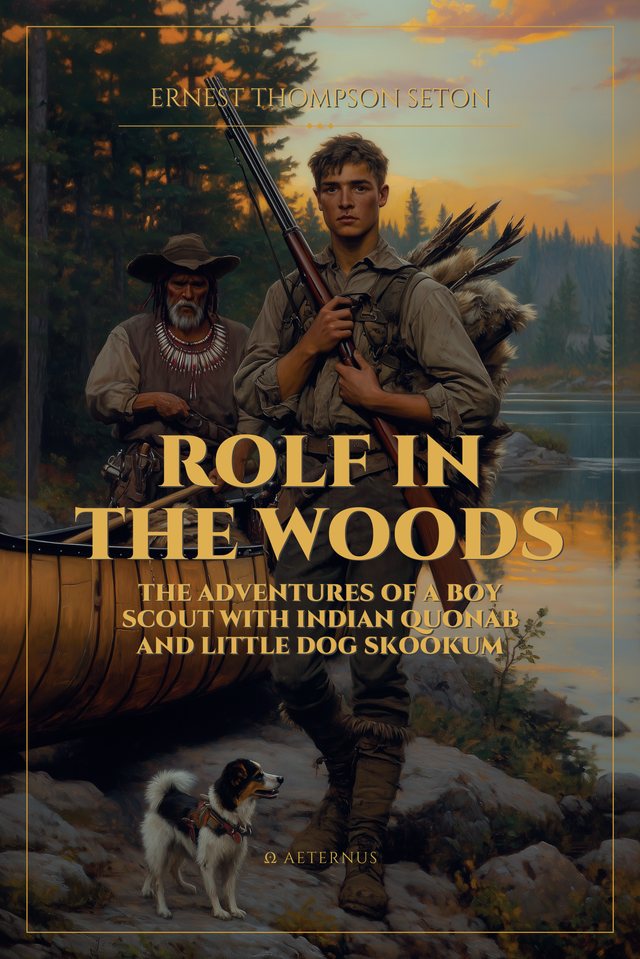
At sunrise, Quonab climbs the rock above his shelter and sings. Into his life comes Rolf, a boy who needs a home and has much to learn.
Explore the edition →
Life and work
1860–1946
A track in the snow. An animal’s life. A school of the outdoors.
Seton gave wild animals the sustained attention once reserved for human protagonists. The artist’s eye, the field naturalist’s notebook and the storyteller’s dramatic instinct meet in books that helped generations of readers imagine the North American wilderness.
Return to the editions ↓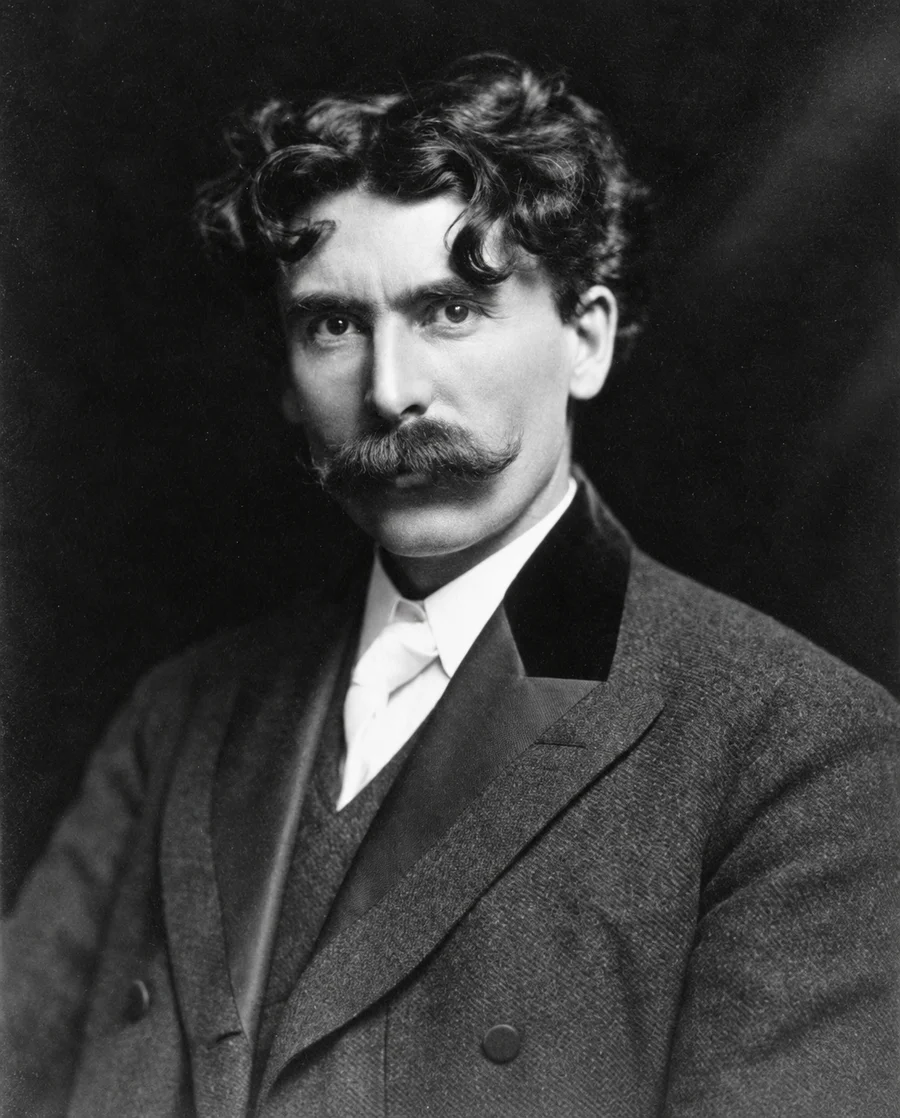
Animal stories, journey books and outdoor handbooks reveal different sides of the same enterprise. The editions invite readers to follow an individual animal, a trail through the landscape or the making of a young observer.
Looking for the German editions? →
AMBER
At sunrise, Quonab climbs the rock above his shelter and sings. Into his life comes Rolf, a boy who needs a home and has much to learn.
Explore the edition →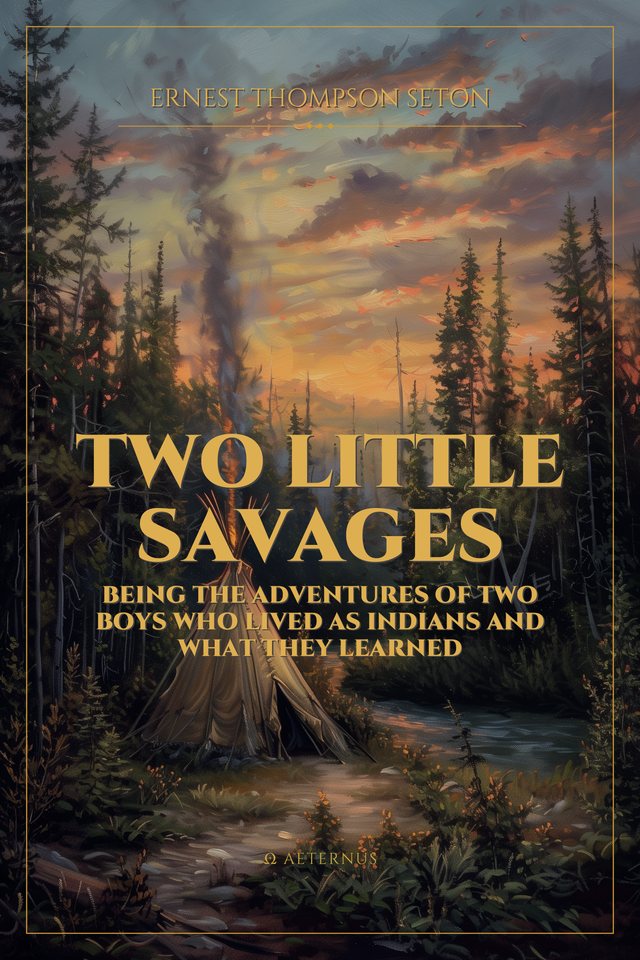
AMBER
Yan can spend hours at a taxidermist's window, longing to know the names of the birds. Give him a patch of woods, a friend like Sam, and the old woodsman Caleb, and that hunger becomes a life: a teepee to raise, tracks to read, a bow to make, a camp to keep going.
Explore the edition →
AMBER
Two thousand miles by canoe, with caribou somewhere ahead. In 1907 Ernest Thompson Seton traveled north with the naturalist Edward A. Preble, following waterways toward Great Slave Lake and the country beyond Aylmer Lake.
Explore the edition →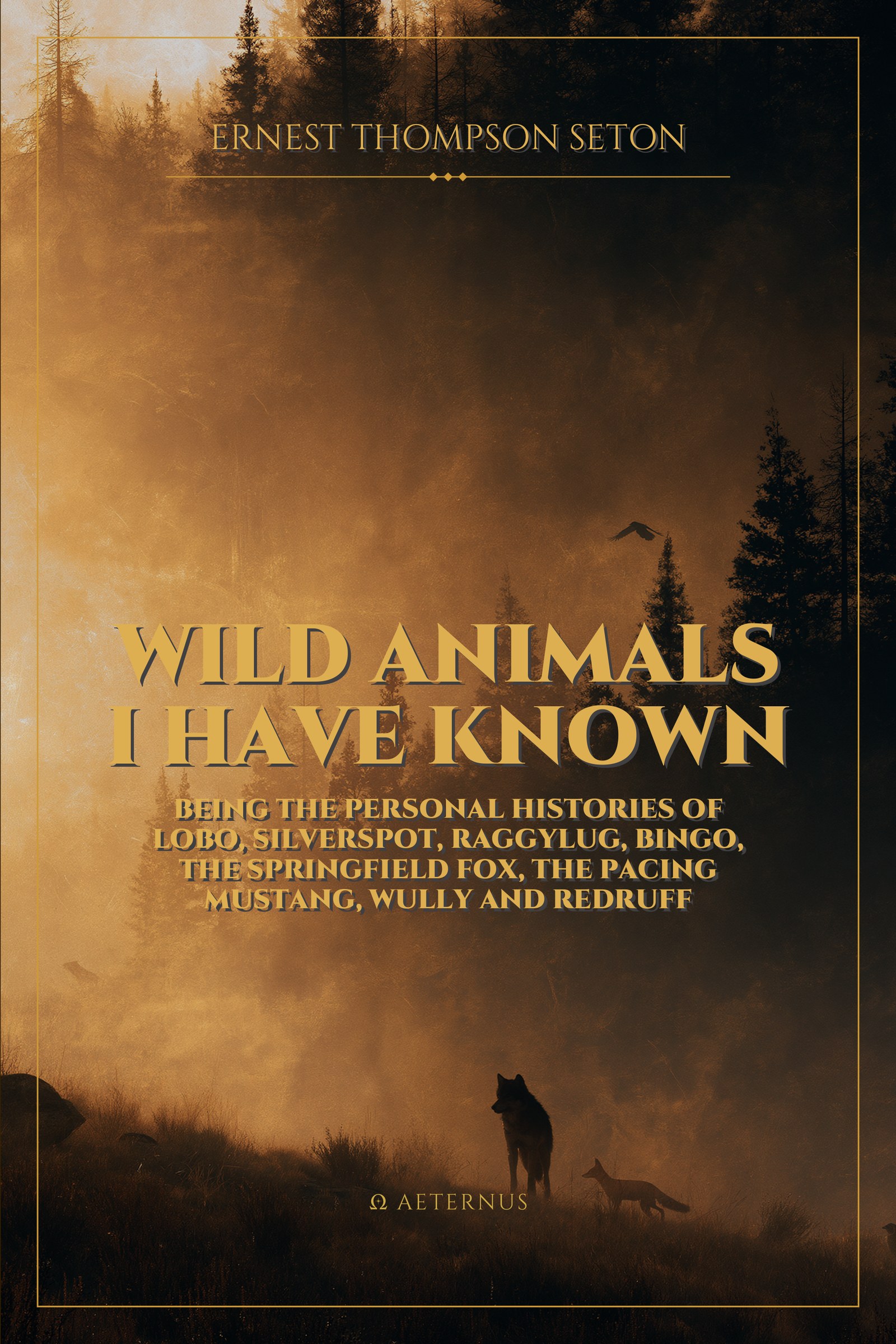
AMBER
Lobo knows where the traps are. Silverspot knows his flock and his country. Raggylug has much to learn, and Molly is determined that he shall live to learn it.
Explore the edition →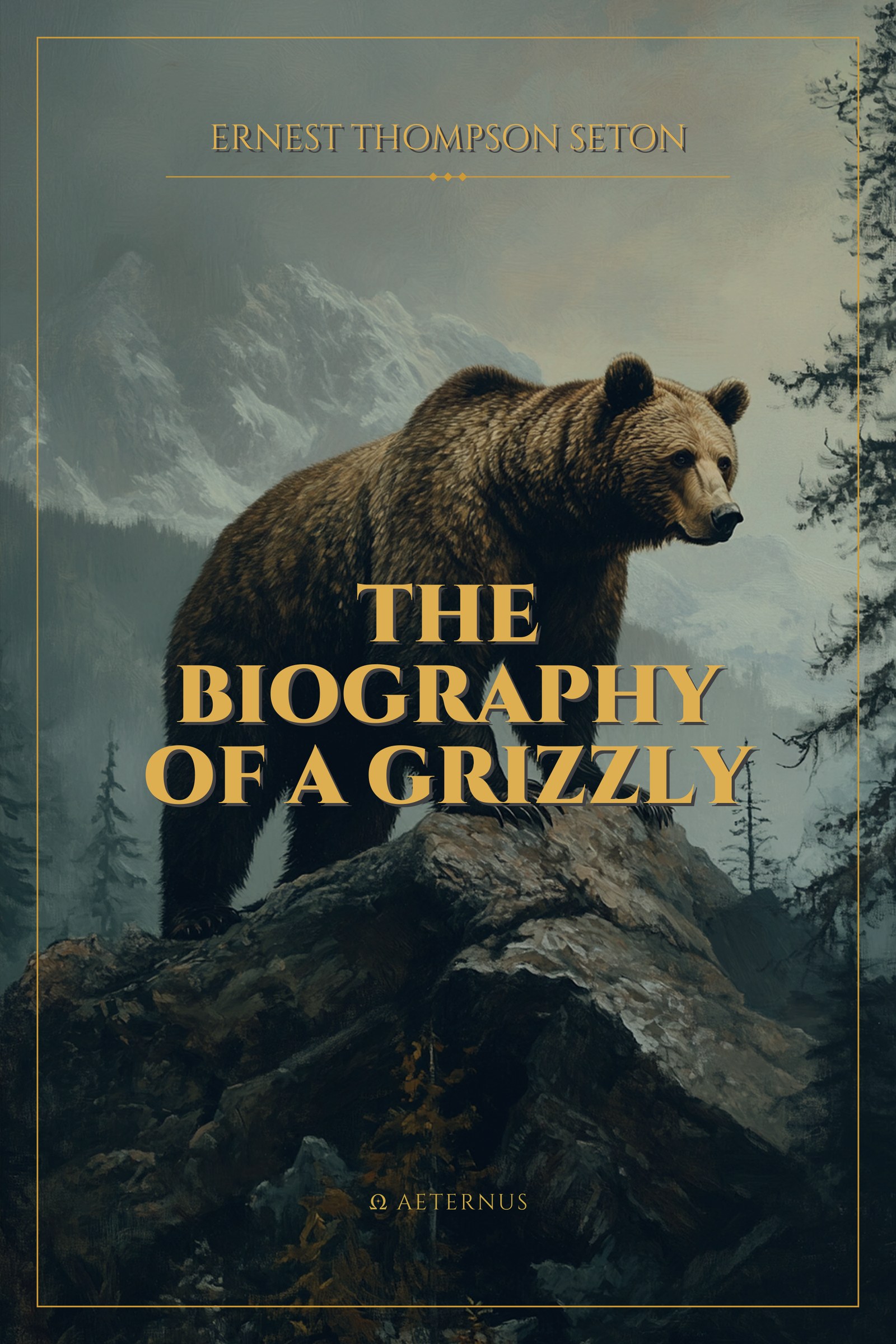
AMBER
Wahb begins as a cub beside his mother, learning where to find food and when to take shelter. Alone, he must learn the rest from the country itself. Seasons pass, wounds leave their marks, and the small bear becomes a formidable presence whose strength seems equal to every rival.
Explore the edition →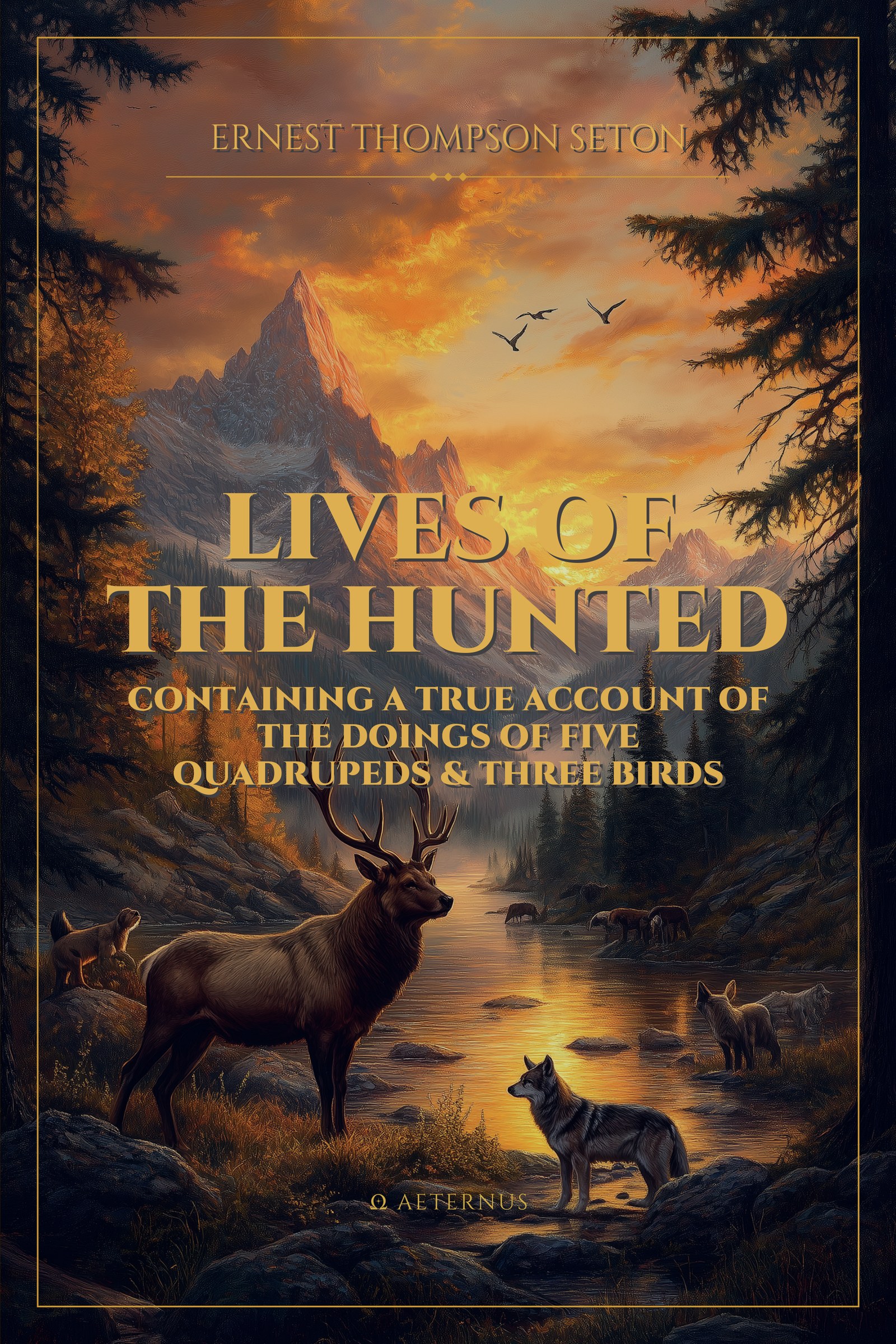
AMBER
Two lambs, scarcely born, are already beyond a hunter's reach. A coyote learns from every narrow escape. A small dog discovers what it means to stand his ground.
Explore the edition →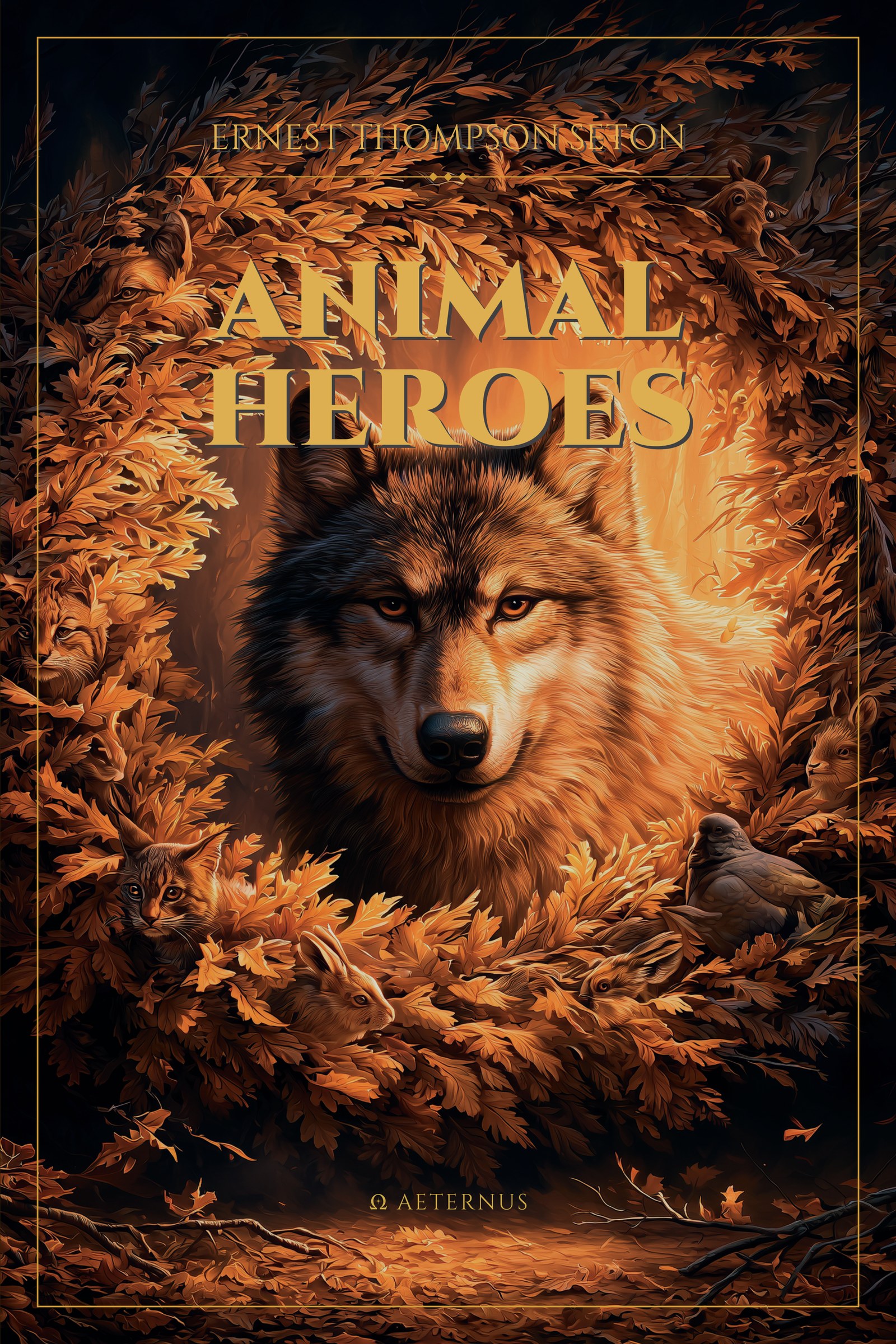
AMBER
A gray cat learns the uses of an alley. A pigeon has a continent of dangers between himself and home. A little terrier faces an enemy no sensible measure of size would allow him to challenge.
Explore the edition →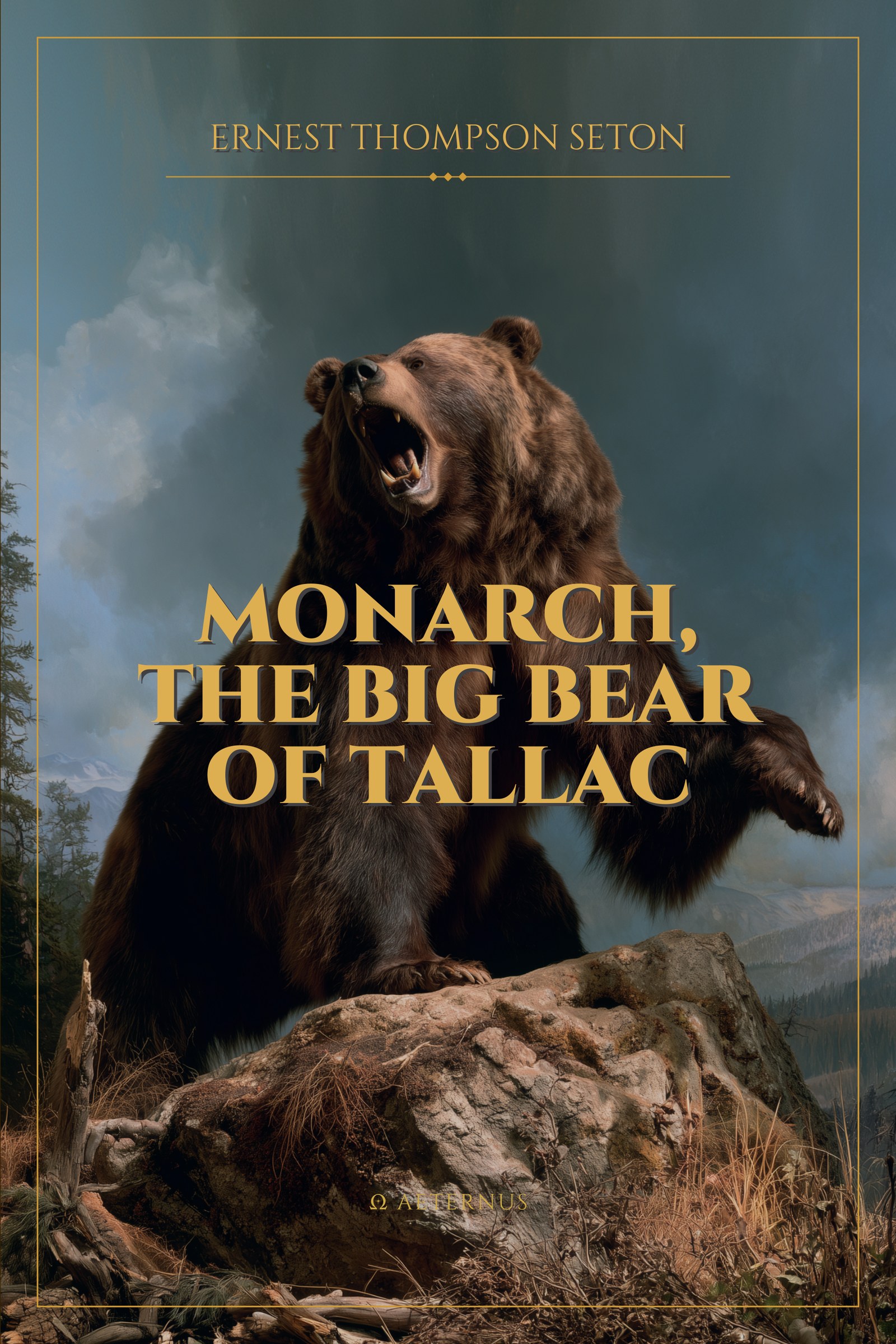
AMBER
A small bear remembers honey and a familiar voice. Years later, the great bear of Tallac can break ropes, defeat traps, and send mounted men scrambling for safety. His strength has grown with his knowledge of the mountains.
Explore the edition →Life and work
His work runs along three connected paths: the study and drawing of animals, the literary animal story, and Woodcraft as an education through outdoor practice. None alone explains the scale of his influence.
National Academy of Sciences; award year.
Honorary degree.
Born in England and raised in Canada, Seton learned to observe the countryside around Toronto and the landscapes of Manitoba. Artistic training enlarged his means of recording what he saw. His illustrations belong to the argument of his books as much as to their appearance.
A wolf hunt in New Mexico supplied the experience behind Lobo, later included in Wild Animals I Have Known in 1898. Hunting and attention to individual animals stand uneasily together in this story. In 1907 he travelled into northern Canada with the naturalist Edward Preble; The Arctic Prairies grew from the journey. The range of his work extends from practical tracking to substantial studies of mammal life.
Two Little Savages turns outdoor instruction into the adventures of boys learning to see and act for themselves. The Birch Bark Roll gave Woodcraft its organised form. Seton drew on his understanding of American Indian traditions, selecting and reshaping them for his own educational project. That distinction matters: Woodcraft expresses Seton’s design, rather than a single undifferentiated indigenous tradition.
The journey with Edward Preble joined travel, animal observation and the mapping of a northern landscape; it became The Arctic Prairies.
His meeting with Baden-Powell in 1906 forms a documented link in the origins of Scouting. Seton became Chief Scout of the Boy Scouts of America in 1910; after the position ended in 1915 he continued Woodcraft on his own terms. His lasting gift to readers is a habit of attention: the woodland becomes legible through tracks, patient observation and the recognition of lives other than one’s own.
Their 1906 meeting connects Woodcraft with the formation of Scouting.
A fellow pioneer of American Scouting with a different outdoor programme.