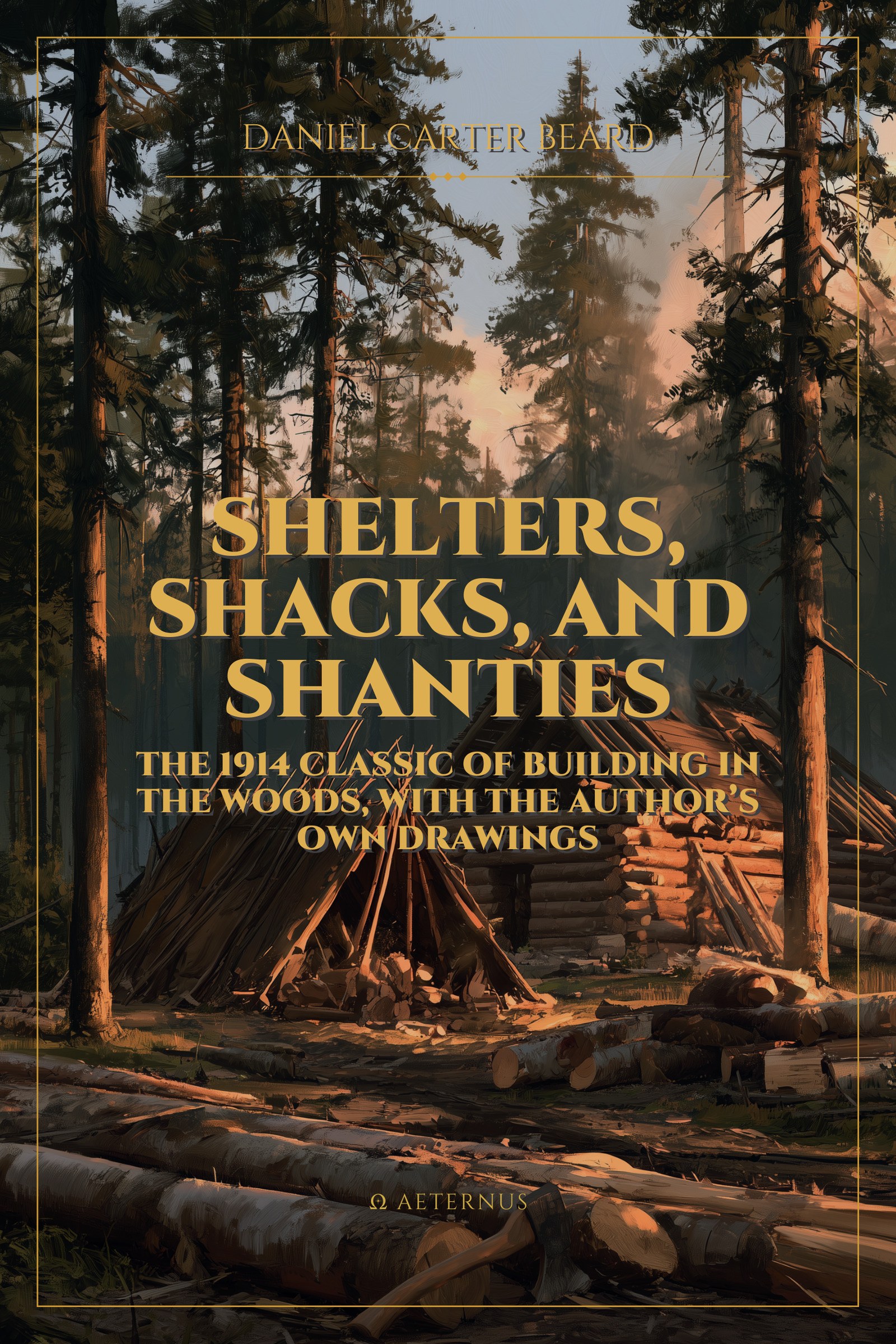
Paperback and Kindle in preparation · ordering links to follow
Life and work
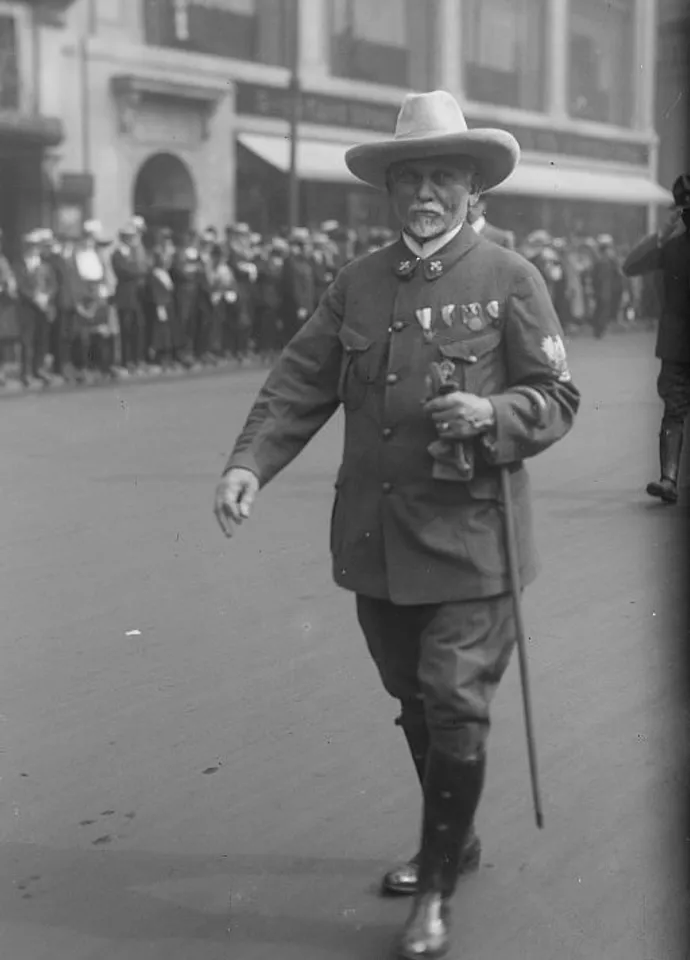
Daniel Carter Beard
1850–1941
The workshop, the camp and the American pioneer tradition.
Beard made outdoor competence something a boy could learn by doing. Drawing and explanation worked together: a shelter, a boat or a piece of camp equipment became intelligible on the page.
His route into Scouting grew from American frontier traditions and practical handbooks. It overlapped with Seton’s Woodcraft without being the same programme.
Explore the life and work
Origins and early years
Born in Cincinnati in 1850, Beard became an illustrator and author. His visual craft helped turn complicated outdoor tasks into usable instruction.
The course of a life
He founded the Sons of Daniel Boone in 1905. The organisation, later called the Boy Pioneers, entered the developing American Scout movement in 1910; Beard served as a national commissioner.
The literary work
His books move between the workshop and the woods. Their diagrams make construction visible, and their prose assumes that the reader will put the lesson to use.
The legacy
Beard’s lasting contribution lies in the union of illustration, practical skill and youth education. His place beside Seton and Baden-Powell shows the several traditions from which Scouting was made.